
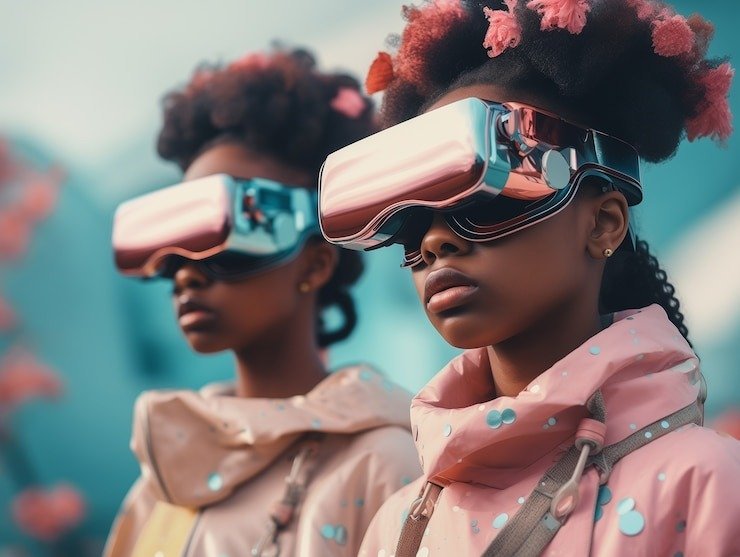
The concept of work has undergone a significant transformation over the past few decades, evolving from the traditional 9-to-5 office setting to a more flexible and dynamic landscape. As we move deeper into the 21st century, the advent of the gig economy is reshaping our understanding of the workspace. This shift towards gig and freelance work is not just a passing trend; it is a fundamental change in how we view employment, productivity, and work-life balance.
The Rise of the Gig Economy
The gig economy, characterized by short-term contracts, freelance work, and the prevalence of technology-driven platforms, offers individuals the opportunity to work independently rather than being tied to a single employer. This new model has been accelerated by several factors, including advancements in technology, changing attitudes towards work, and the global shift towards remote collaboration.
Freelancers, contractors, and gig workers represent a significant portion of the workforce. According to recent statistics, a growing percentage of the global labor force is transitioning to gig work. This includes professionals from various sectors, such as technology, design, marketing, and writing, who leverage digital platforms to find clients and manage their careers. The flexibility of gig work allows individuals to choose when and where they work, creating a more personalized work experience.
Technology as the Catalyst
Advancements in technology have played a pivotal role in the rise of the gig economy. The proliferation of smartphones, high-speed internet, and digital platforms has made it easier for workers to connect with clients, market their skills, and collaborate with teams across the globe. Platforms like Upwork, Fiverr, and Freelancer have revolutionized how people find work, while tools like Slack, Zoom, and Trello facilitate remote communication and project management.
These technologies do not just enable gig work; they also enhance productivity and collaboration. Virtual workspaces allow teams to connect regardless of their physical location, breaking down geographical barriers and fostering a truly global workforce. This interconnectedness is paving the way for a more diverse and inclusive work environment.
Changing Attitudes Towards Work
The shift towards gig work is also a reflection of changing attitudes towards employment. Younger generations, particularly Millennials and Gen Z, prioritize flexibility, autonomy, and meaningful work over traditional job security. They seek opportunities that allow them to pursue their passions and maintain a healthy work-life balance.
“Work is no longer just about a paycheck; it’s about fulfillment, flexibility, and the freedom to choose.”
This evolving mindset is encouraging organizations to adapt their workplace policies and culture to meet the demands of a gig-driven workforce. Companies that embrace flexible work arrangements and recognize the value of gig workers are better positioned to attract and retain top talent.
The Benefits and Challenges of Gig Work
While the gig economy offers numerous benefits, it also presents challenges that both workers and employers must navigate. For gig workers, the allure of flexibility can come with a lack of stability and benefits typically associated with full-time employment, such as health insurance and retirement plans. Additionally, gig workers often face income uncertainty, as their earnings can fluctuate based on demand and availability of work.
Employers, on the other hand, must balance the need for flexibility with the desire for a committed workforce. Integrating gig workers into existing teams requires careful management to ensure collaboration and cohesion. Organizations must also consider how to provide support, training, and resources to gig workers, creating an inclusive environment that values their contributions.
The Future of Workspaces
As we move forward, the future of workspaces will likely be characterized by hybrid models that combine traditional office settings with remote and gig work. Companies may implement flexible work policies that allow employees to choose when and where they work, fostering a culture of trust and accountability.
Physical office spaces may evolve into collaborative hubs designed for teamwork and innovation, while individuals can work remotely on projects that suit their skills and interests. This shift towards hybrid workspaces will require organizations to rethink their real estate strategies, technology investments, and employee engagement practices.
Our contribution
The global gig economy is redefining the future of the workspace, offering new opportunities for workers and organizations alike. As we embrace this transformation, it is essential to recognize the importance of flexibility, technology, and collaboration in creating a thriving work environment. By understanding the benefits and challenges of gig work, both workers and employers can harness the potential of this evolving landscape, paving the way for a more dynamic and inclusive future of work.
